Why SAVVY Buyers Choose Us.
One inspector - One home - Full attention
Your purchase deserves more than just a checklist.
With our unwavering commitment to our clients and a passion for protecting your family, we have earned a reputation as the most trusted home inspection firm in the Columbus Ohio Area and beyond.

Meet the Inspector:
Hi, I’m Brandon Miller, owner of Well Built Inspections. After years in the field, I've learned that homebuyers don't just need a checklist—they need understanding and context. I bring hands-on experience in various mechanical and construction trades to every inspection, so I can explain not just what I find, but why it matters and the smartest ways to handle it. We'll create a plan that works for your goals and timeline, complete with detailed photos, clear expectations, and a follow-up Zoom call after the inspection. Our inspection process is designed to be thorough, educational and built around how you make decisions.
Why SAVVY Buyers Choose Us.
One inspector - One home - Full attention
Your purchase deserves more than just a checklist.
With our unwavering commitment to our clients and a passion for protecting your family, we have earned a reputation as the most trusted home inspection firm in the Columbus Ohio Area and beyond.
Meet the Inspector:
Hi, I’m Brandon Miller, owner of Well Built Inspections. After years in the field, I've learned that homebuyers don't just need a checklist—they need understanding and context. I bring hands-on experience in various mechanical and construction trades to every inspection, so I can explain not just what I find, but why it matters and the smartest ways to handle it. We'll create a plan that works for your goals and timeline, complete with detailed photos, clear expectations, and a follow-up Zoom call after the inspection. Our inspection process is designed to be thorough, educational and built around how you make decisions.
Core Principles & Beliefs
At Well Built Inspections, we believe a great inspection should feel calm, thorough, and empowering - never rushed or confusing.
Client-Focused.
We work for you-transparent, independent, and free of conflicts or upsells.
Advanced Tools, Reliable Findings.
Thermal imaging, moisture meters, CO meters, electrical diagnostics, gas-leak detection, borescopes, and drones.
Building Health Matters.
Beyond defects, we look at moisture control, ventilation, and indoor air quality factors that impact how the house feels and functions.
Post-Inspection Support.
We stay available for questions and provide post-inspection report review over video chat.

OUR SERVICES
We offer a curated menu of services built around real client needs. Each service page includes clear details—use the “Learn More” links to see what fits your situation. We’re here to guide you with honesty and care, never to upsell something you don’t need.
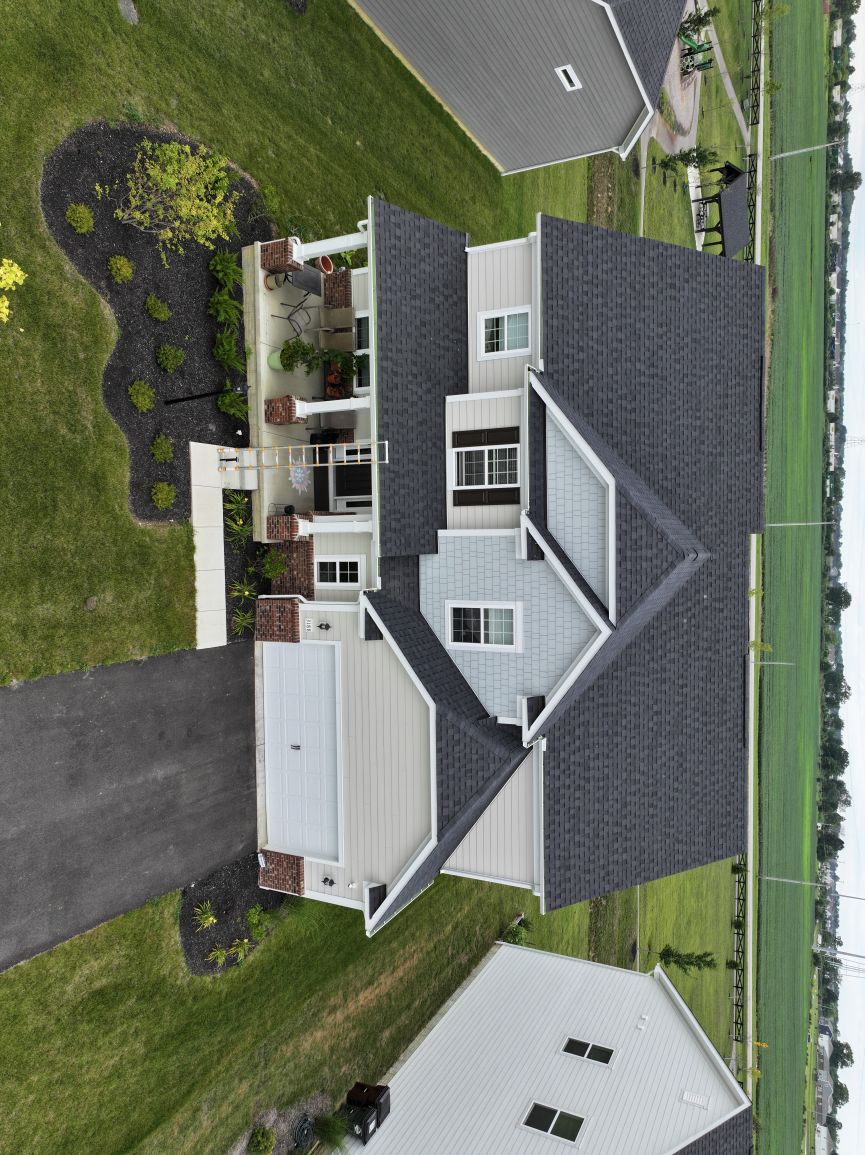
Standard Home Inspections
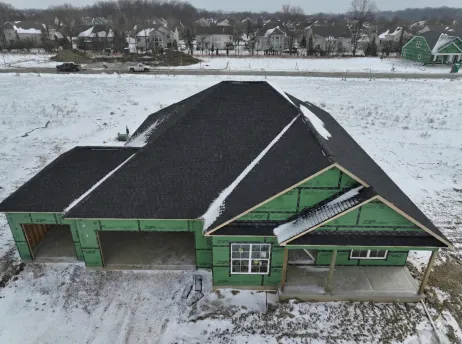
New Construction Inspections
Questions to ask when researching Inspectors
How many inspections do you do in a day?
One per day and that’s on purpose. We block the day so your home gets our full attention: 3–5 hours on site, time for your questions, clear photos, and a thorough report delivered the same day or next morning. We don’t stack full inspections back-to-back. Quality over quantity, every time.
Do you walk the roof?
Our inspectors in Columbus Ohio make every attempt to walk the roof. Plain and simple, it’s the best way to inspect it. Sometimes, however, that’s not an option. Height, slope, snow, wind, or rain can make going on the roof unsafe or potentially damaging. When we can’t walk it, we capture a series of high-resolution photos from multiple angles to thoroughly document conditions.
We also have FAA Part 107–certified remote pilots on staff. Our drones carry 4K cameras for exceptionally clear imagery. Bottom line: we’ll do everything we can to get the best possible visuals of your roof.
Does the inspector use a thermal camera?
Does the inspector use a thermal camera?
Yes. We use thermal imaging on every standard home inspection at Well Built Inspections. It helps us see temperature patterns that aren’t visible to the eye so we can investigate things like:
Possible moisture behind finished surfaces
Insulation gaps and missing air sealing
Overheating electrical components or abnormal appliance temps
Drafts around doors, windows, and attic hatches
HVAC performance at registers and radiant lines
Thermal imaging isn’t X-ray vision and it doesn’t “see through” walls; it shows surface temperature differences. When we find an anomaly, we verify with moisture meters, electrical testing, or other tools before making recommendations. The result: clearer insight, better documentation, and fewer surprises.
Does the Inspector Offer Follow-Up Consultation?
Do you offer a follow-up consultation after the inspection?
Absolutely. It’s one of the ways Well Built Inspections goes above and beyond.
After you receive your report, we’ll text/email you a link to book a Zoom session with your inspector. These appointments are scheduled for up to 90 minutes (often shorter), and if we need more time, we’ll set a second call if needed.
During your consult, we will:
Walk through the report together and explain the severity of each issue in plain language
Discuss repair options and typical approaches to remediation
Show you free cost-estimating tools so you can ballpark “cost to cure”
Help you prioritize what needs attention now, soon, and later
What we won’t do is tell you what to negotiate—that’s your agent’s role. Successful negotiations depend on market leverage (how many buyers are competing, days on market, etc.). We can’t determine that for you, but we’ll make sure you understand the condition of the home and likely repair ranges so you can have a confident, informed conversation with your agent.
Our goal is simple: make your inspection clear, actionable, and stress-reducing—not just a list of problems, but a plan you can use.
Does the Inspector Use a Moisture Meter?
Yes. We carry both pin-type and pinless moisture meters on every inspection. Water damage doesn't always announce itself with stains or peeling paint. It can sit behind drywall, under flooring, or inside window frames for months before you'd ever notice it. A moisture meter lets us measure what's actually happening inside the material, not just what's visible on the surface. We use it anywhere we suspect moisture intrusion, around bathrooms, kitchens, basements, below windows, and near any area where the thermal camera flags a temperature anomaly. If we find elevated readings, we document them with photos of the meter display right alongside the affected area so you can see exactly what we're seeing. Most inspection standards don't require moisture meters. We use them anyway because your eyes alone aren't enough.
Does the Inspector Use a Drone for the Roof Inspection?
Yes. We're FAA-certified and carry a drone equipped with a high-resolution camera on every inspection. When roof conditions allow it, we still walk the surface, because there are things you can feel underfoot that a camera won't catch. But steep pitches, wet surfaces, three-story homes, and fragile roofing materials like wood shake or aged tile can make walking unsafe or risk causing damage. In those situations, the drone gives us full coverage of every ridge cap, flashing detail, gutter line, and chimney crown without leaving anything uninspected. You'll get clear aerial photos in your report regardless. A lot of inspectors will note "roof not accessible" and move on. We don't believe that's acceptable when you're making a decision this big so we use drones every inspection we can.
Does the Inspector Test Every Window in the Home?
We test every accessible window in the home, not just a sample. Industry standards only require inspectors to check a "representative number," which usually means one per room or one per side of the house. The problem with that approach is obvious. The windows they skip could be the ones with broken seals, failed hardware, or moisture damage at the sill. We open, close, and lock each window to check for smooth operation and secure latching. We look for fogging between panes, which tells you the insulated seal has failed. We check weatherstripping condition and look for signs of water intrusion around the frame. It takes more time. That's one of the reasons we only book one inspection per day.
Does the inspector test every receptacle or only a representative sample?
We test every single receptacle we can access. We test for grounding and wiring errors and for GFCI protection at receptacles deemed to be GFCI. GFCI outlets are the ones with the small "test" and "reset" buttons, typically found in bathrooms, kitchens, garages, basements, and exterior locations. Their job is to cut power instantly if electricity starts flowing where it shouldn't, which is a real risk anywhere water and wiring coexist. We test each GFCI with a dedicated receptacle tester that simulates an actual ground fault from outside the device. This is more reliable than just pressing the built-in test button. GFCIs wear out over time, and in older Columbus-area homes, they're frequently wired in a way that lets the outlet function normally while the safety protection does nothing at all. If the home was built before the late 1970s, there's a good chance GFCIs are missing in locations where current code requires them. We'll flag every one of those gaps and explain what it would take to bring them up to standard


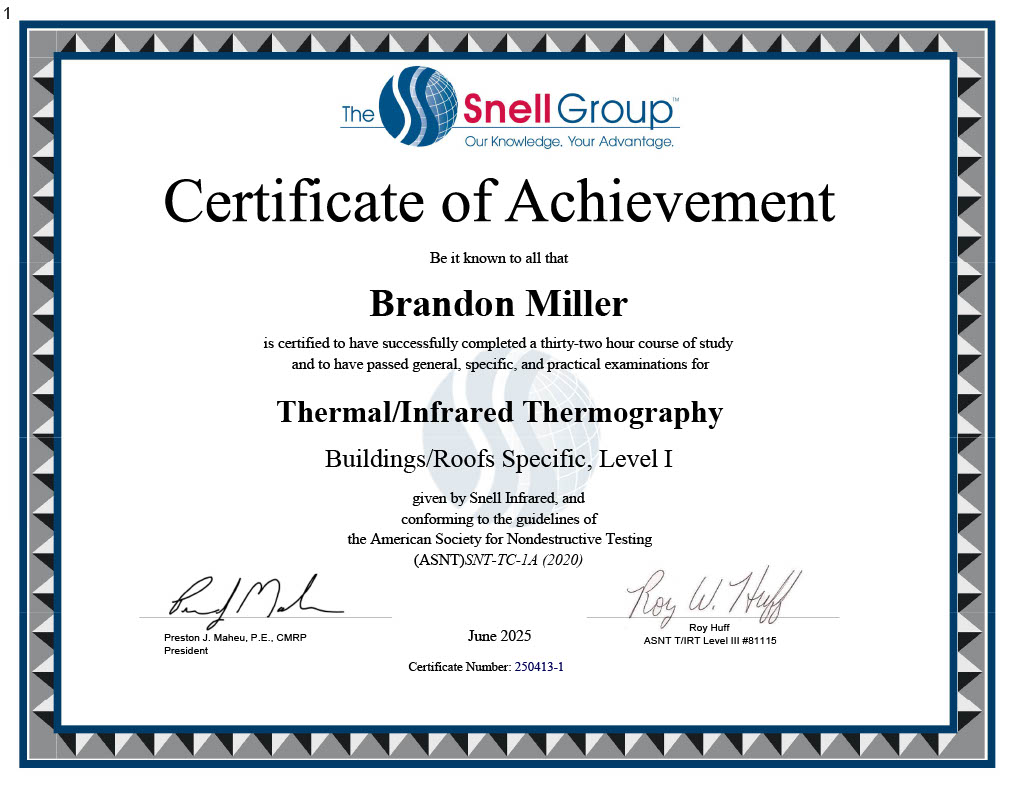

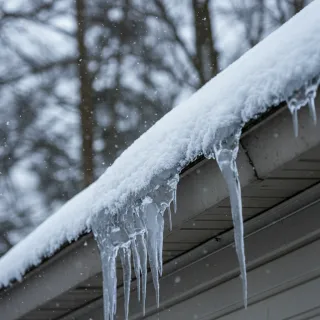
Why Your Central Ohio Home Gets Ice Dams (And What Actually Fixes Them)
Ice dams start inside your house, not outside. Learn why heat loss through your attic causes roof damage and what you can do about it. ...more
Home Maintenance
February 22, 2026•7 min read

How to choose a Home Inspector
Buying a home in Columbus is stressful enough. The last thing you need is a rushed inspection that leaves you with more questions than answers. ...more
Home Buying
November 17, 2025•7 min read

Winter Home Maintenance Checklist for Homeowners
When winter rolls into Central Ohio, it doesn’t just bring cozy nights and hot drinks—it also brings freezing temps, snow, ice, and a lot of extra stress on your home. A little winter maintenance now ... ...more
Home Maintenance
November 15, 2025•7 min read
I help everyone with issues in their home. By completing this form you will start a text chat with me if you have a question and I will help as much as I can. There is no pressure to hire me.
Get In Touch
Ohio Lic: OHI.2021003689