
Furnace Tune-Ups in Central Ohio: What They Cover, What They Cost, and When to Schedule
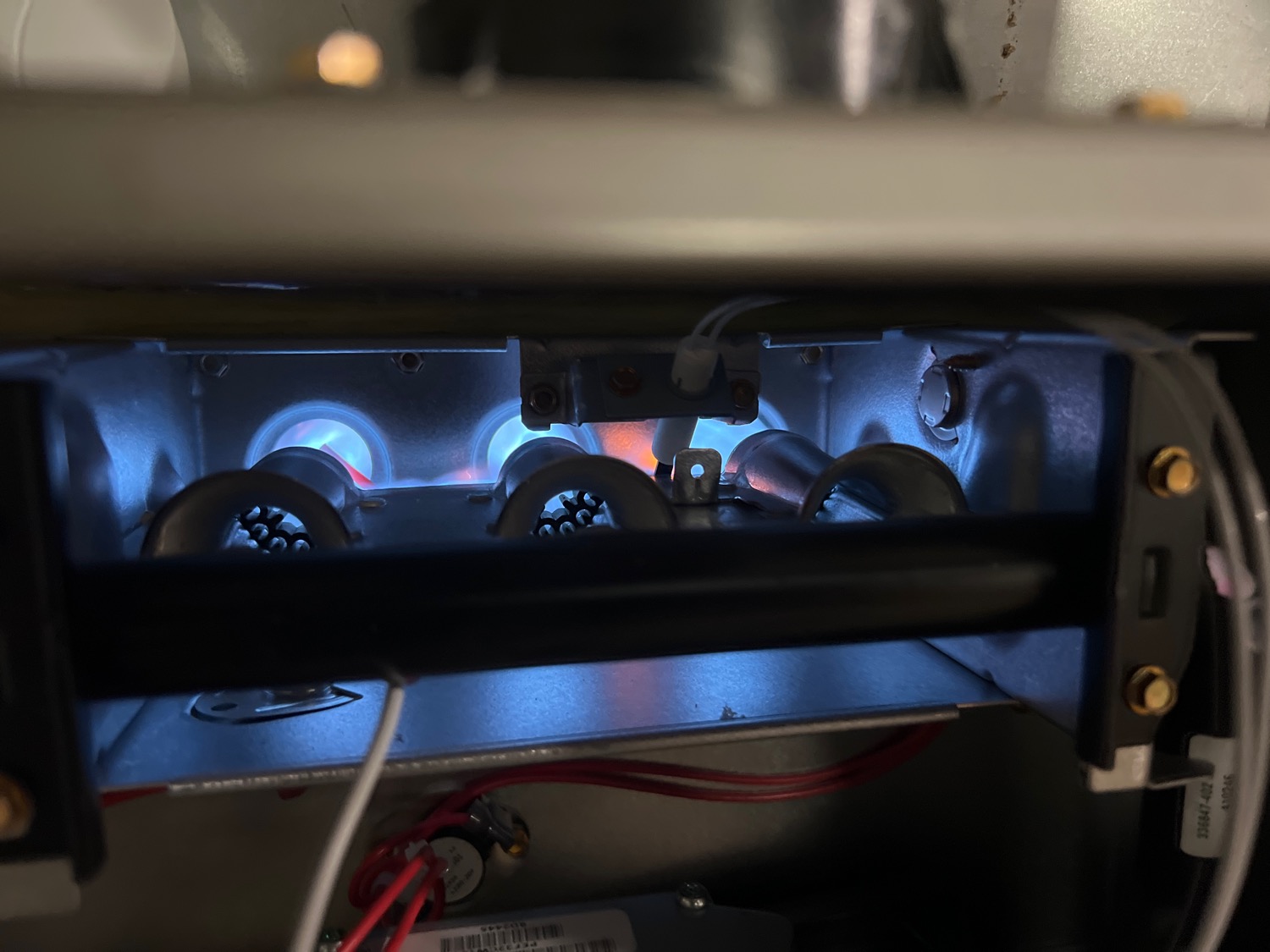
A furnace in Central Ohio does not get a light workload. It runs through a long heating season, then sits idle for months before it is asked to start again on the first cold morning of fall. That cycle is hard on any system, and it is the main reason heating companies in Columbus push annual maintenance so consistently. Whether you already own a home in Powell or Delaware or you are under contract on a house in Columbus, knowing what a furnace tune up actually involves helps you ask better questions and avoid paying for a visit that does not cover what you assumed.
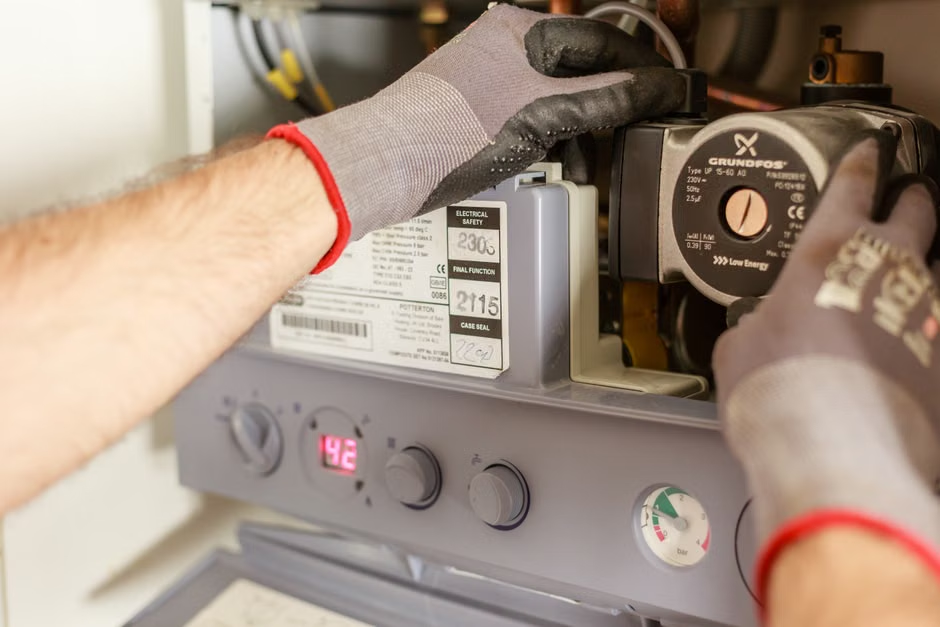
What a Furnace Tune-Up Actually Includes
A tune-up is not one standard package. It is whatever the company has decided to put in its checklist, which is why two quotes for the same house can sound very different. Columbus-area providers describe a tune-up as including a thorough inspection of all components, cleaning of the burners and heat exchanger, testing of safety controls, and a check of gas pressure. Some companies market a numbered checklist instead, such as a 17-point furnace tune-up, so you can compare one offer against another more easily.
The safety portion matters most in a home with gas heat. Carbon monoxide checks are commonly part of a tune-up, because a furnace that is burning incorrectly can produce carbon monoxide without any obvious smell or symptom. A technician testing safety controls and combustion is doing something a homeowner cannot do with a visual once-over.
A typical tune-up visit covers:
- Inspection of the furnace components, from the burners to the blower area
- Cleaning of the burners and heat exchanger
- Testing of the safety controls that shut the system down when something is wrong
- Checking gas pressure to confirm the furnace is set up to burn as designed
- Carbon monoxide and combustion checks, on many company checklists
Why Annual Heating Maintenance Matters Here
The recommendation you will hear from nearly every heating company in the region is annual service, and the reasoning holds up. Dust, debris, and normal wear accumulate over a heating season. A dirty burner or a heat exchanger that has not been looked at in years can reduce how well the furnace heats and can hide a problem that gets more expensive the longer it runs. When a technician cleans and tests the system once a year, small issues tend to get caught while they are still small.
There is also a practical side for buyers and sellers. A furnace with a documented service history is easier to evaluate than one with an unknown past, and a seller who can show recent maintenance records is giving you real information rather than a verbal assurance that the system has been fine.
How Long a Tune-Up Takes
HVAC tune-up appointments in the Columbus area are often described as taking roughly 45 to 60 minutes. That estimate usually assumes a system that has been serviced before and is in reasonable condition. A furnace that has gone years without attention, or one where the technician finds a component that needs a closer look, will take longer. If scheduling matters to you, ask how long the company blocks out for the visit and whether a follow-up appointment would be needed for any repairs.
What Furnace Tune-Ups Cost in Columbus
Promotional pricing is common in this market. One local company advertises AC tune-ups at $59 while noting a regular price of $109, paired with a no-breakdown guarantee. Furnace tune-up pricing is set by each individual company and can shift based on the type of system you have and what the visit includes, so treat any advertised number as a starting point. Before you book, confirm the total price, ask whether a diagnostic or trip fee applies on top, and ask what happens if the technician finds a part that needs to be replaced.
| What to confirm | Why it matters |
|---|---|
| Total price and any trip or diagnostic fee | Advertised tune-up prices sometimes apply only to the maintenance visit, not to diagnosis or repairs |
| Whether the price changes by system type | A company may price by equipment, age, or accessibility |
| What the checklist includes | Cleaning burners and the heat exchanger, testing safety controls, checking gas pressure, and carbon monoxide checks should be spelled out |
| Whether you get a written summary | A written record becomes part of your home's service history for future buyers |
Furnace Tune-Up vs. Home Inspection: Two Different Jobs
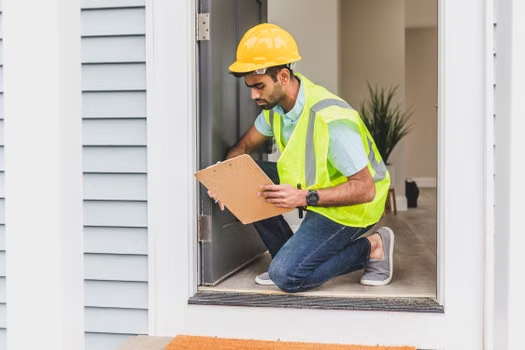
These services get confused, and the confusion costs buyers money in both directions. A home inspection is a broad evaluation of the house. The inspector looks at the furnace as one part of the heating and cooling system, along with the roof, exterior, plumbing, electrical, and the rest of the major components, and reports what is visible and accessible at the time of the inspection. An inspector does not pull apart a furnace, clean burners, or adjust gas pressure. When something about the furnace looks off, the report will typically recommend evaluation by a qualified HVAC technician.
A tune-up is the opposite scope. It goes deep on one system and does not evaluate the rest of the house. A technician cleans, tests, and adjusts, and may identify a repair that is needed. If you are buying, the two services answer different questions: the inspection tells you what condition the house is in overall, and the tune-up tells you what the furnace specifically needs right now.
Reading the Service Tag Before You Close
If you are buying a home in Columbus, Powell, Delaware, or anywhere nearby, spend a few minutes with the furnace itself during your inspection period. Technicians often leave a sticker on the unit with the date and the work performed, and looking at those tags tells you something a seller's memory cannot. A single sticker from years ago is a different picture than a stack of them showing service every year.
Check the filter housing too. Filters are often dated when they are changed. If the tags and the filter tell a consistent story of regular maintenance, that is a good sign. If the furnace has no service history at all, budget for a tune-up shortly after closing and expect that the first visit may turn up something the previous owner never addressed.
What a Tune-Up Can and Cannot Tell You
A tune-up is good at catching the things that come from use and neglect. Burners that need cleaning, safety controls that are not responding correctly, gas pressure that is out of adjustment, and signs that the heat exchanger should be looked at more closely are all within reach of a technician who is doing the work properly. That is real value, especially in a house where the heating system has been running unattended for years.
What a tune-up cannot do is promise you that a furnace will not fail next winter. It is maintenance, not a warranty. An older furnace can be clean, correctly adjusted, and still be near the end of its service life. If your inspection report notes an aging system, use the tune-up visit to ask the technician a direct question about remaining life and what replacement would involve. That conversation is far more useful before you close than after.
Questions to Ask Before You Book a Tune-Up
What exactly is included in the tune-up, and can you send me the checklist?
Do you clean the burners and heat exchanger, or only inspect them?
Is a carbon monoxide or combustion test part of the visit?
Do you check gas pressure and test the safety controls?
Will I receive a written summary of what was found and what was done?
Are your technicians licensed and insured, and can you confirm that in writing?
What is the full price, including any trip or diagnostic fee?
When to Schedule Around Central Ohio Weather
Early fall is the ideal window. The system has been idle, the first cold snap has not arrived, and scheduling is easier than it will be in the middle of January when every heating company in Columbus is fielding no-heat calls. A spring tune-up works almost as well and can be easier to book. Waiting until the furnace quits on a cold night means you are competing for the same emergency appointments as everyone else, and the visit shifts from maintenance to repair.
If you have just moved in and you do not know when the furnace was last serviced, do not wait for a convenient season. Treat the first tune-up as a baseline. Once you know the condition of the system, you can settle into a yearly routine around it.
How This Fits Into Your Home Inspection
At Well Built Inspections, we inspect homes throughout Columbus and Central Ohio, including standard home inspections, new construction inspections at the pre-drywall and final pre-closing stages, and mold testing. The furnace is one of the major systems we look at, and our job is to describe what we see and what it means for you, in plain language, so you can make an informed decision. We do not perform HVAC service or repairs, and we do not upsell work we do not do. What we can do is tell you what the heating system looked like on inspection day and point you toward the questions a qualified technician should answer next.
Frequently Asked Questions
How often should a furnace be tuned up in Central Ohio?
Annual service is the standard recommendation from heating companies in the Columbus area. A furnace here runs through a long cold season and then sits unused for months, which is exactly the cycle that wears on burners, safety controls, and the heat exchanger. Yearly visits also build a service record that helps when you sell the home or file a warranty claim.
What is included in a furnace tune-up?
Companies set their own checklists, but Columbus-area providers commonly describe a thorough inspection of all components, cleaning the burners and heat exchanger, testing safety controls, and checking gas pressure. Some advertise a numbered list, such as a 17-point tune-up, and many include carbon monoxide checks. Ask for the checklist in writing before you book so you know what you are paying for.
How long does a furnace tune-up take?
HVAC tune-up appointments in the Columbus area are often described as taking roughly 45 to 60 minutes. That estimate assumes the system has been serviced before and is in reasonable shape. A furnace that has been neglected for years, or one where the technician finds something that needs a closer look, will usually take longer than the standard window.
Do I still need a home inspection if I am getting a tune-up?
Yes. A tune-up covers one system in depth, while a home inspection evaluates the whole house, including the roof, exterior, plumbing, electrical, and major systems. An inspector looks at the furnace as part of that bigger picture and will recommend a qualified HVAC technician when something needs a closer look. The two services do not replace each other.
Have questions about your Central Ohio home?
Whether you need a pre-purchase home inspection or a maintenance check, Brandon Miller is here to help.
Book Your Inspection Online